Making Eco-Friendly Choices for a Sustainable Home
In a world increasingly aware of its environmental footprint, creating a sustainable home has become a priority for many. By integrating eco-friendly practices into our daily lives, we can contribute to a healthier planet while also benefiting from reduced living costs and a healthier lifestyle. This comprehensive guide aims to provide you with valuable insights on how to make your home more sustainable by making eco-friendly choices.
Understanding Sustainability in the Home
Sustainability is about meeting the needs of the present without compromising the ability of future generations to meet their own needs. When applied to the home, it involves reducing your carbon footprint by making environmentally-conscious choices. From energy efficiency and waste reduction to water conservation, numerous strategies can help you create a sustainable household.
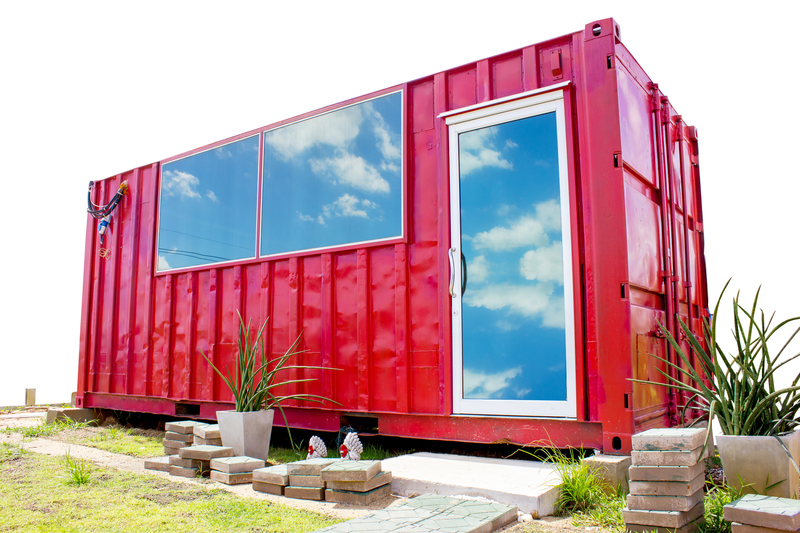
Why Choose an Eco-Friendly Home?
The journey to a sustainable home offers numerous benefits. Here's why incorporating eco-friendly practices is a wise decision:
- Environmental Impact: By reducing your carbon footprint, you help protect natural ecosystems.
- Cost Savings: Eco-friendly choices often lead to reduced utility bills and lower maintenance costs.
- Health Benefits: Eco-friendly products reduce exposure to harmful chemicals.
- Increased Property Value: Sustainable homes are increasingly attractive to environmentally-conscious buyers.
Energy Efficiency: The Cornerstone of a Sustainable Home
Energy efficiency is key to making your home environmentally friendly and reducing its environmental impact. Here's how you can optimize energy usage:
Optimize Insulation
Proper insulation reduces the need for excessive heating and cooling, which decreases energy consumption. Consider the following:
- <_EM>Upgrade to high-quality insulation materials.
- Seal any drafts around windows and doors.
- Use thermal curtains to conserve energy.
Invest in Energy-Efficient Appliances
Replacing old appliances with energy-efficient models is an impactful way to enhance sustainability. Look for:
- ENERGY STAR-rated appliances for exceptional energy savings.
- Appliances with energy-saving settings like sleep modes for electronics.
Water Conservation Strategies
Water is a precious resource, and conserving it should be a priority for a sustainable home. Implement these strategies to reduce water usage:
Install Low-Flow Fixtures
Low-flow faucets, showerheads, and toilets significantly reduce water consumption without sacrificing performance. Opt for fixtures that offer:
- Adjustable flow rates to reduce unnecessary water usage.
- Water-saving technologies like aerators for taps.
Practice Smart Landscaping
Outdoor water usage can be optimized through:
- Xeriscaping, which involves using drought-resistant plants that require minimal watering.
- Installing a rainwater harvesting system to reuse rainwater for gardening.
Reducing Waste for a Sustainable Environment
Waste reduction is a critical aspect of maintaining a sustainable home. Here are practical approaches to minimizing waste:
Adopt a Zero-Waste Lifestyle
Transitioning to a zero-waste approach involves thoughtful planning and conscious choices:
- Use reusable products like grocery bags and water bottles.
- Buy in bulk to reduce <_EM>packaging waste.
- Compost organic waste to enrich soil and reduce landfill contributions.
Participate in Recycling Programs
Recycling helps divert waste from landfills and conserve natural resources:
- Educate yourself on what can and cannot be recycled in your community.
- Consider starting a recycling corner at home with labeled bins.
Choosing Sustainable Materials for Home Renovations
If you're planning home renovations, choose materials that align with eco-friendly practices:
Opt for Natural Materials
Building with natural materials supports environmental sustainability:
- Use wood from sustainably-managed forests.
- Explore recycled materials, such as reclaimed wood or recycled metal.
Pay Attention to Material Longevity
Durable materials reduce the need for frequent replacements, minimizing resource consumption:
- Consider tiles or flooring from reputable brands known for sustainability.
- Evaluate the <_EM>life cycle of materials before making a purchase.
Utilizing Renewable Energy
Renewable energy reduces reliance on fossil fuels, lowering your home's carbon footprint. Investigate these options:
Install Solar Panels
Solar panels convert sunlight into electricity, offering a sustainable energy source:
- Assess your home's sun exposure to determine feasibility.
- Explore government incentives for installing solar systems.
Consider Wind Power
For homes with sufficient space and wind exposure, wind turbines offer an additional renewable option.
Benefits of Living in a Sustainable Home
A sustainable home provides long-term benefits, evolving from practical choices to significant outcomes:
- Environmental Stewardship: Living sustainably conserves resources for future generations.
- Economic Value: Reduced energy and water bills can contribute to financial savings.
- Increased Comfort: Energy-efficient homes often maintain more consistent temperatures.
The Path Forward: Commit to Sustainable Living
Creating a sustainable home is an evolving journey. Your commitment to making eco-friendly choices can inspire others to take part in environmental stewardship. Let's build a future where sustainable living is the norm, not the exception.
Spread Awareness
Encourage others to consider eco-friendly practices by sharing your experiences and opening the conversation about sustainability.
Keep Learning
The field of sustainable living is constantly evolving. Stay informed and continue to adapt your home and lifestyle as new technologies and methodologies arise.
By integrating these strategies and consistently choosing eco-friendly options, you will contribute significantly to a healthier planet and a more sustainable future for all. It's a journey that begins with informed, mindful decisions -- choices that not only transform our homes but also the world around us.