Waste Treatment Methods Through the Eras: A Journey of Progress
The management of waste is a fundamental aspect of human civilization. Throughout history, societies have continually adapted and developed new techniques to safely dispose of, treat, and even reuse waste. Exploring the waste treatment methods through the ages reveals remarkable insight into the ingenuity and challenges faced by our ancestors, and helps us appreciate the sophisticated approaches of modern waste management. Let us embark on a comprehensive journey to understand how humans have dealt with waste, from ancient times to the sustainable future we aspire to build.
The Origins: Waste Disposal in Ancient Civilizations
Simple Beginnings: Burial and Burning
- Open Dumping and Burial: In early agrarian societies, people primarily dealt with waste by dumping it outside their homes or burying it. Archaeological findings, like ancient waste heaps in Egypt and Greece, provide evidence of this primitive yet effective disposal technique.
- Burning Waste: In regions where space was scarce or the risk of disease from organic waste was high, burning was adopted as a straightforward method to reduce waste volume and minimize odors.
Engineered Solutions: The Romans Lead the Way
The Roman Empire demonstrated a notable leap in waste management techniques. Rome's elaborate aqueducts and sewage systems set new standards for sanitation:
- Cloaca Maxima: This is perhaps the most famous ancient sewer. Originating as a canal to drain local marshes, it gradually evolved into an underground system carrying wastewater away from the city.
- Public Toilets and Drains: Romans constructed shared latrines and a comprehensive system of drains, demonstrating a sophisticated understanding of public health and the urban environment.
The Middle Ages: Challenges and Public Health Concerns
Backsliding and Overcrowding
The collapse of complex Roman infrastructure in many parts of Europe led to a regression in sanitation practices. During the Medieval Era:
- Street Disposal: Waste was often dumped in streets or rivers. The infamous phrase "gardyloo" is said to have come from Edinburgh as a warning before throwing waste into the streets.
- Privies and Cesspits: Urban homes and castles relied on basic privies emptying into cesspits, which required regular emptying to prevent overflow and contamination.
Epidemics and Changing Attitudes
Unmanaged waste became a breeding ground for disease, as seen during plague outbreaks. This led to growing governmental and community awareness about public health, sparking the first regulatory measures for waste management in some medieval cities, such as the appointment of street cleaners and the banning of open dumping.
The Industrial Revolution: Transformation of Waste Treatment Methods
Urbanization and the Need for Innovation
The Industrial Revolution marked a period of intense urbanization and rapid population growth. These changes brought new challenges in dealing with the increased volume and complexity of waste, including industrial byproducts.
- Early Sewer Networks: Cities like London built vast networks of underground sewers in the 19th century, after devastating diseases like cholera were linked to contaminated water.
- Incineration: The first waste incinerators, often called "destructors," were introduced in the late 1800s to deal with growing amounts of urban refuse, particularly in England.
- Landfills: The development of controlled landfill sites began in this era, moving away from indiscriminate dumping towards systematic burial and layering of waste.
Technological Advancements
With the advent of chemistry and engineering, treatment methods improved significantly:
- Chemical Disinfection: Wastewater began to be treated with chemicals like chlorine to kill harmful bacteria before being released into waterways.
- Sludge Management: Innovations for the management and treatment of sludge, the byproduct of sewage, enabled safer disposal and even early forms of resource recovery.
20th Century: The Rise of Modern Waste Management Techniques
Scientific Approach and Regulation
Post-World War II, societies adopted more scientific methods and developed regulatory frameworks to address waste's environmental and health impacts.
- Sanitary Landfills: Modern sanitary landfills employed daily cover materials, liners, and leachate collection systems to minimize pollution.
- Advanced Wastewater Treatment: Secondary and tertiary treatment processes were developed, using biological and chemical processes to remove organic matter, nutrients, and contaminants from sewage.
Emergence of Recycling and Resource Recovery
Rising awareness of environmental conservation led to the popularization of the "Three Rs": Reduce, Reuse, Recycle. Materials like paper, glass, and metals started to be regularly diverted from waste.
- Mechanical-Biological Treatment (MBT): Combined mechanical sorting and biological treatment of solid waste helped extract recyclable materials and compost organic matter.
- Waste-to-Energy Plants: Incineration technologies advanced, enabling safe conversion of non-recyclable waste into energy.
21st Century: Sustainable and Innovative Waste Treatment Solutions
The Zero Waste Movement and Circular Economy
Today, there is a collective push towards sustainability. Societies and organizations are embracing the circular economy--keeping resources in use for as long as possible and minimizing waste creation. Key waste treatment strategies include:
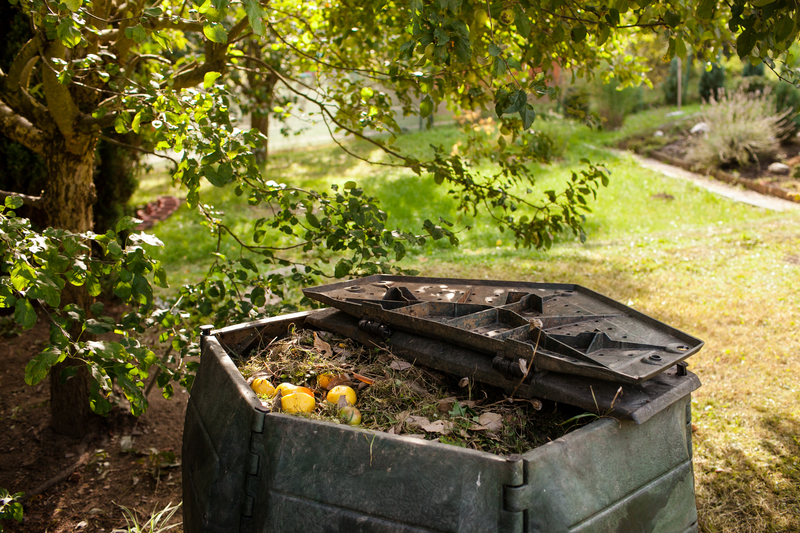
- Composting: Large-scale composting of organic waste turns food scraps and yard trimmings into nutrient-rich soil amendments, reducing landfill load and greenhouse gas emissions.
- Anaerobic Digestion: This method processes organic waste under oxygen-free conditions, generating biogas for energy and digestate for fertilizer.
- High-tech Recycling: Optical sorting, robotic separation, and chemical recycling have expanded the variety of plastics and composites that can be recycled, ensuring higher circularity.
Smart Technology and Decentralized Solutions
- Internet of Things (IoT): Smart sensors and data analytics are used to optimize waste collection, monitor fill levels in containers, and reduce fleet emissions.
- Decentralized Wastewater Treatment: Modular units treat water closer to the source, enabling remote communities and small industries to sustainably manage their own wastewater.
Comparative Analysis: Traditional Versus Modern Waste Treatment Techniques
Efficiency and Environmental Impact
When contrasting historical waste methods with those used today, it's clear society has shifted from rudimentary disposal to resource-efficient and ecologically conscious treatment. Early methods were often labor-intensive and poorly regulated, with significant environmental costs. Today's solutions are scientifically engineered to protect both human health and the planet, integrating waste as a resource whenever possible.
- Pollution Control: Modern landfills and incinerators are equipped with sophisticated filters, liners, and emission controls to prevent contamination.
- Renewable Energy: Many municipal waste systems now generate electricity or heat from organic waste, contributing to a low-carbon future.
- Material Recovery: The proportion of waste recycled or composted has steadily increased, reducing reliance on finite natural resources.
Global Perspectives: Waste Treatment Methods Across Different Regions
Developed Countries
- Integration of Advanced Technologies: Western Europe, Japan, and parts of North America boast high recycling rates, widespread waste-to-energy infrastructure, and strict regulatory oversight.
- Pay-As-You-Throw: Variable-rate pricing encourages households to reduce waste generation by charging based on the amount disposed.
Developing Regions
- Infrastructure Challenges: Many cities in developing nations rely on open dumping and uncontrolled landfills, leading to pollution and health risks.
- Innovative Community Solutions: Informal waste pickers, microenterprises, and NGO-led composting projects supplement local government efforts and recover substantial resources from waste streams.

Future Trends in Waste Treatment: Toward a Cleaner World
Emerging Technologies
- Plasma Gasification: Ultra-high-temperature processes break down waste into syngas and inert slag, offering a potential way to eliminate hazardous residues.
- Artificial Intelligence: AI powers robotic sorters and optimizes process configuration to maximize recovery and minimize contamination of recyclables.
Global Policy and Collaboration
- International Agreements: Efforts such as the Basel Convention and the Global Methane Pledge aim to curb hazardous waste movement and reduce emissions worldwide.
- Public-Private Partnerships: Collaborative models harness government regulation and market innovation to advance waste treatment infrastructure in both urban and rural settings.
Conclusion: Lessons from the History of Waste Treatment
The history of waste treatment methods is a testament to human resilience and adaptability. From humble beginnings and hazardous practices, we have evolved towards cleaner, smarter, and more sustainable solutions. As population and consumption continue to rise, the task of waste management grows ever more critical.
By learning from past mistakes and embracing innovative technologies and circular approaches, we can transition from merely managing waste to creating value from it. Societies worldwide must continue to invest, collaborate, and innovate, ensuring the well-being of both people and the environment. Our future depends on how well we use these hard-earned lessons to shape the next era of waste management.
- Ancient methods: burial, burning, primitive sewers.
- Medieval challenges: crowding, disease, basic regulations.
- Industrial innovation: sewers, incinerators, regulated landfills.
- Modern science: recycling, composting, resource recovery.
- Cutting-edge tech: AI, plasma gasification, smart monitoring.
Ultimately, the evolution of waste treatment methods reflects our ongoing commitment to a cleaner, healthier planet. By fusing knowledge from the past with cutting-edge advancements, we are paving the way for a more sustainable tomorrow.